
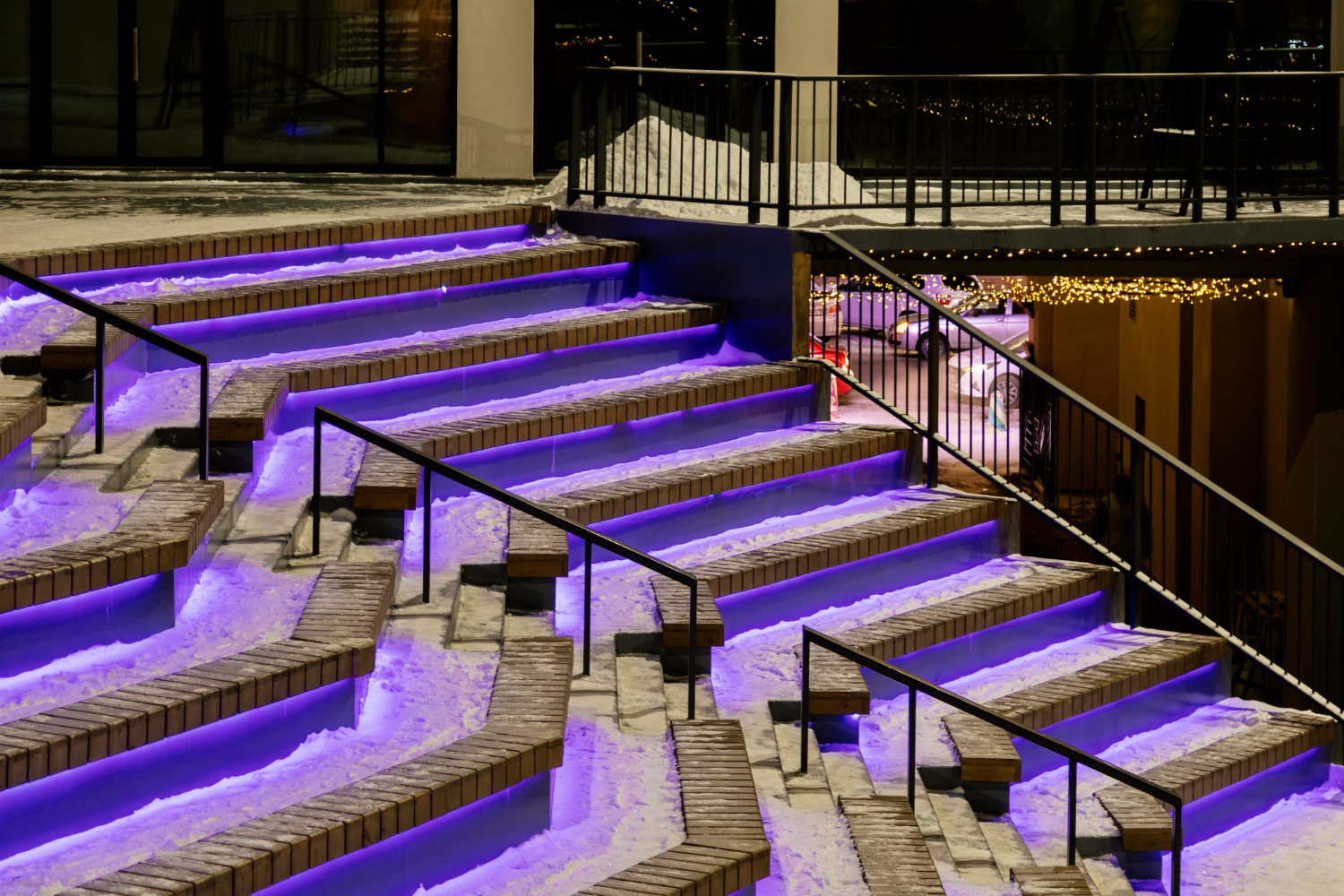
Uplighting: How Pros Use It to Add Drama to Trees and Facades | Outdoor Lights + Shades
Of all the techniques in a landscape lighting designer's toolkit, uplighting trees and architecture is one of the most impactful. Done well, it creates depth, drama, and a sense of grandeur that completely transforms how your home looks after dark.
How Uplighting Works
Uplighting involves placing a fixture at or near ground level and directing the beam upward—into the canopy of a tree, along the face of a wall, or up the columns of an entryway. The upward direction of the light is what gives uplighting its signature dramatic effect, creating shadows and highlights that add texture and dimension.
Choosing the Right Fixtures
Not all uplights are created equal. Beam angle, color temperature, and brightness all play a role in the final result. Narrow beam fixtures work best for tall, slender trees or columns, while wider beams suit sprawling oaks or broad architectural features. Color temperature—measured in Kelvins—affects whether the light feels warm and inviting or cool and modern.
Avoiding Common Mistakes
Overlighting is the most common uplighting mistake. More fixtures don't always mean better results—in fact, too much light can flatten a space and eliminate the shadows that make uplighting so visually interesting. A skilled designer knows when to hold back.
At Outdoor Lights + Shades, our designers are experts in uplighting trees and architecture throughout the Los Angeles area. We'll create a custom lighting plan that makes your home look extraordinary every night. Visit myolspro.com to book your free consultation.


