
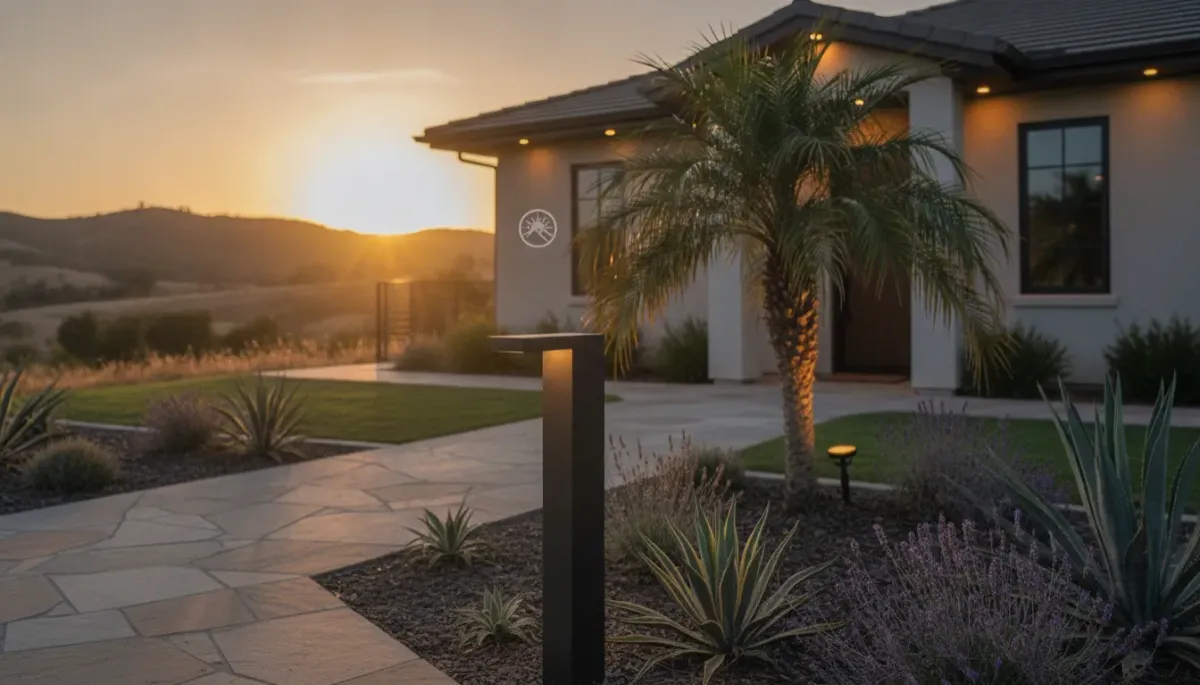
Outdoor lighting company in the Inland Empire: How to Choose
If you’re considering outdoor lighting, start with the moments you want to improve. Maybe you want guests to find the front door more easily, see steps along a path, or enjoy dinner on the patio after sunset. A professional lighting plan can address these needs while bringing attention to the parts of your home you value most. An outdoor lighting company in the Inland Empire may offer custom fixture layouts, installation, and smart controls, but services differ from one provider to another. Ask how the team chooses fixture locations, protects wiring, and prevents light from shining into windows. Reviewing completed projects can also help you explain the look you prefer.
Key Takeaways
Match lighting to how you use your property: Prioritize paths, entrances, landscaping, and outdoor gathering areas, then discuss placement, brightness, and controls with a local provider.
Compare the full scope before choosing a company: Review fixture details, installation, warranties, maintenance, and seasonal services in writing, and confirm the provider serves your address.
Plan for ongoing comfort and cost: Ask about smart controls, upkeep, and financing terms, then request a property-specific quote that clearly lists included work and charges.
What Outdoor Lighting Services Does an Inland Empire Company Offer?
Outdoor lighting companies may design and install systems for walkways, gardens, patios, rooflines, and entrances. Some also provide seasonal holiday displays or ongoing maintenance. The services available depend on the provider, so start by listing the areas you want to improve, then ask which options suit your home and how you use your outdoor space.
A lighting plan should consider more than fixture style. Placement, brightness, glare, controls, and durability all affect how a system looks and works. Ask whether the company handles design and installation, and what support it offers after the project is complete. Outdoor Lights + Shades provides custom outdoor lighting and smart landscape lighting controls for homeowners in the Inland Empire. You can browse its project gallery to get ideas and share examples of the look you have in mind. Services such as permanent roofline or holiday lighting may be offered by other local providers, so confirm availability before requesting a quote.
Light paths, trees, gardens, and architectural features
Landscape lighting can make walkways easier to see and bring attention to trees, gardens, and exterior details after dark. Path lights can mark routes through a yard, while uplights can highlight trees, columns, or textured walls. Well lights sit flush with the ground, offering a discreet way to illuminate landscaping or architectural features.
The best layout depends on your property and the effect you want. Too many fixtures, or lights aimed toward windows and seating areas, can cause glare. Ask the designer to explain what each light will illuminate and how the system will look from inside your home. Reviewing completed outdoor lighting projects can help you identify styles you like and communicate your priorities before installation.
Install durable low-voltage fixtures, including solid-brass options
Low-voltage systems are a common choice for landscape lighting. A transformer reduces household current for outdoor fixtures, and the system can be planned to suit the property’s layout and lighting goals. Ask the installer which fixture materials and styles are available, how they hold up outdoors, and whether replacement parts can be sourced if needed.
Solid-brass fixtures are one material to consider because brass resists corrosion. Durability also depends on fixture construction, placement, and care, so compare more than the material alone. Ask about the fixture finish, lens, bulb type, and repair process. A written proposal should identify the fixture models and materials rather than using a broad description like “landscape lighting.” That detail helps you compare quotes and understand what will be installed.
Add bistro and string lights to patios and entertaining areas
Bistro or string lights can add a warm, relaxed feel to patios, pergolas, and outdoor dining areas. Their placement should suit the way you use the space. For example, a dining area may need even light over the table, while a lounge area may call for a softer glow. Fixtures should also be positioned clear of walkways and seating.
Before approving a layout, ask how the lights will be supported and how outdoor wiring and connections will be protected. Check whether the provider includes installation, repairs, and maintenance, or only supplies the lights. Some local companies list bistro and string lighting among their services, as shown on Light Up Riverside’s website. Confirm directly with your preferred installer that the service is available for your property.
Install permanent, color-changing LED roofline lights
Permanent roofline LEDs can provide decorative lighting without requiring you to hang new lights for each occasion. Color-changing systems may let you choose different colors or patterns for celebrations and events. Ask how the fixtures will look during the day, where the controls will be placed, and whether you can adjust settings through an app or smart-home system.
Not every outdoor lighting company installs permanent roofline systems, so confirm availability before scheduling a consultation. Request details about the product, controls, warranty, and repair process. Consider how the lighting will appear from the street and whether its brightness could affect neighbors or drivers. You can use local project examples to gather ideas, then ask the installer to recommend a design that fits your home’s roofline.
Design, install, maintain, remove, and store seasonal Christmas lights
Some outdoor lighting companies offer seasonal holiday lighting as a full service. Depending on the provider, this may include planning a display, installing the lights, handling repairs during the season, taking the lights down, and storing them until next year. Having one company manage these steps can save time and spare you from climbing ladders or storing bulky equipment.
Ask what the service includes before booking. Find out whether the company supplies the lights or uses yours, how it handles damaged bulbs, and when removal and storage take place. If you already have landscape lighting, ask how the seasonal display can work with it. Light Up Riverside’s holiday lighting information describes seasonal services, but contact the provider to confirm residential availability and service areas.
Improve visibility at entrances with low-glare security lighting
Lighting near doors, gates, garages, and side paths can make entrances and potential obstacles easier to see after dark. Depending on the location, an installer may suggest shielded fixtures, carefully aimed spotlights, or motion-activated lights. The goal is practical visibility without harsh glare or light spilling into nearby windows.
Ask the company to assess your entry points and explain how each fixture will be controlled. Timers, motion sensors, and smart controls can help you manage when lights turn on and off. Lighting can support visibility, but it cannot guarantee security. Request a written plan showing fixture locations, beam direction, and controls, then review it to make sure the proposed setup feels comfortable for your household. For other common project questions, consult the company’s outdoor lighting FAQs.
How Can Outdoor Lighting Benefit Inland Empire Homes and Businesses?
Outdoor lighting can make a property easier to use and more inviting after sunset. It can help people find their way along a path, draw attention to landscaping, and make a patio feel ready for an evening outdoors. For businesses, clear lighting around signs, walkways, and entrances can help customers and employees find their way around the property.
A useful lighting plan starts with how you use each area. A front walkway may need gentle, consistent illumination, while a patio could benefit from a mix of ambient and task lighting. A business entrance or parking area may call for a different layout. In each case, thoughtful fixture placement helps create visibility without unnecessary glare.
Inland Empire properties also face practical considerations, including heat, irrigation, and changing landscaping. Choosing suitable fixtures and controls can make the system easier to manage over time. Outdoor Lights + Shades offers custom outdoor lighting and smart controls for homes, with options designed around each property. Browse the project gallery for ideas on how lighting can shape an outdoor space.
Improve visibility on walkways, at entrances, and in parking areas
Pathways, steps, driveways, and entrances are easier to use when people can see where they’re going. Path lights can mark the edges of a walkway, while a fixture near the front door can help residents and guests see the entry clearly. On commercial properties, lighting can also make routes between parking areas and entrances easier to follow.
Aim for consistent illumination instead of isolated bright spots. A lighting plan should account for stairs, changes in grade, plants, and the usual flow of foot traffic. The right placement can guide people naturally through the space. Path and garden lights are common options for illuminating walkways while adding subtle light to nearby planting.
Support security with thoughtful placement and controlled brightness
Lighting around doors, garages, side yards, and other less visible areas can make it easier to see what’s happening outside. For a more comfortable result, focus light where it is useful rather than flooding the entire property with bright fixtures. Directing beams toward the ground or a specific feature can help reduce glare and limit light spilling toward neighbors.
Timers and smart controls can help you manage when outdoor lights turn on and off. A professional can assess areas that may need more visibility and recommend fixtures suited to the layout. Efficient products can also reduce routine maintenance. For example, LED outdoor lighting typically lasts longer than traditional bulbs, so replacements may be needed less often.
Showcase landscaping and architecture after dark
Lighting can bring out the features that give a home or business its character. A softly lit tree, a stone wall, or an architectural detail can add depth to the view after sunset. At home, carefully placed accents can make the exterior feel more finished. For a business, they can help the property stand out without relying on harsh brightness.
The goal is to complement the property, not overwhelm it. Consider how the lighting will look from the street, patio, and inside the home. A professional design can balance beam direction, brightness, and fixture placement to create a cohesive effect. Custom landscape lighting can highlight planting, architecture, and outdoor features with precision.
Make patios and outdoor spaces more comfortable and usable
A patio can be more comfortable after dark when its lighting matches the activities that happen there. Softer light over a dining table can suit relaxed meals, while brighter task lighting may be helpful near an outdoor kitchen or grill. Adding light to paths and seating areas can also make the space feel connected.
Bistro or string lights can create a warm atmosphere for gatherings, while carefully placed fixtures offer more consistent visibility. Think about how the setup looks from inside, too, especially if the patio is close to large windows. Patio string lighting is one option for outdoor entertaining areas. With smart controls, you can also adjust schedules to fit how you use the space.
Welcome customers, employees, and visitors
On a business property, exterior lighting can help visitors identify signs, entrances, and walkways. Clear routes can make arriving and leaving feel more straightforward for customers and employees. A consistent lighting scheme can also give the property a cared-for appearance after dark.
The best layout depends on the site. A storefront may need attention around its sign and entrance, while an office property may benefit from lighting along walkways and near parking areas. Consider how fixtures look from the street and whether they provide useful visibility without shining directly into people’s eyes. Businesses planning seasonal displays can use exterior lighting to create a welcoming look while keeping the entrance and main routes easy to see.
Use seasonal and color-changing lights for branding and promotions
Seasonal lighting can mark holidays and special events without changing the permanent design of a property. At home, it can add color to rooflines, trees, or gathering areas. Businesses can use color-changing lights to reflect brand colors or draw attention to a promotion, provided the display stays clear and appropriate for the setting.
Before choosing a system, ask what colors and effects are available, how the lights are controlled, and whether seasonal changes require professional service. Timers and smart controls can make it easier to schedule displays and adjust them when plans change. Some commercial systems offer remote scheduling and color effects, as shown in this overview of commercial seasonal lighting.
Consider energy use, durability, and maintenance needs
Outdoor fixtures need to withstand exposure to weather, irrigation, and regular use. Ask about materials, product lifespan, and whether the fixtures suit the conditions around your property. LED options generally require less frequent bulb replacement than traditional lighting, and durable fixtures can reduce the need for repairs.
It’s also worth understanding the system’s routine care. Dust and leaves can affect light output, and growing plants may eventually block a beam. Ask your installer how often fixtures may need cleaning or adjustment, and what support is available if a light shifts or stops working. A maintenance plan should reflect the products selected and the specific conditions at your home or business.
How Do You Choose an Outdoor Lighting Company in the Inland Empire?
A good outdoor lighting company should help you plan a system that fits your property, priorities, and budget, then explain what to expect during installation and afterward. Compare more than fixture prices: look at local experience, design options, materials, controls, customer feedback, service terms, and the details in each written quote.
Before you commit, ask practical questions. Who will do the installation? How will the lighting be controlled? What happens if a fixture needs attention? Clear answers make it easier to compare proposals and understand what you’re paying for. If you’re considering Outdoor Lights + Shades, you can review its project gallery for ideas and contact the company to confirm service for your address.
Confirm local service coverage and relevant project experience
Confirm that the company serves your specific Inland Empire city and ask how it handles service after installation. Coverage can vary by location, so share your address before scheduling an estimate. It’s also helpful to ask about projects similar to yours, whether you want to light a long driveway, highlight mature trees, or make a patio more comfortable after dark.
Request examples and ask what went into the design. How did the team limit glare? Where were fixtures placed to light paths without shining into windows? Answers can show whether the company considers how you use your property, not just where lights can be installed. Outdoor Lights + Shades serves the Inland Empire, but you should still confirm service details for your location and project.
Compare designs, fixture materials, controls, and energy use
Ask each company to explain its proposed design, including fixture placement, brightness, beam direction, and the areas it will cover. Compare fixture materials as well. Outdoor lights face sun, dust, moisture, and temperature changes, so ask how the products are built for outdoor use. Solid-brass fixtures are one option to discuss, especially if durability is a priority.
Find out what bulbs and controls the system uses, how you’ll operate it, and what energy use to expect. Timers, lighting zones, and smart controls can make it easier to adjust the system to your routine, but the controls should be simple for everyone in your household. Ask about bulb replacement and maintenance needs, too. A detailed proposal helps you compare overall performance and upkeep, not just the number of fixtures.
Ask who installs the system and whether the company is insured
Find out who will perform the work, whether the company uses its own crew or subcontractors, and who will supervise the installation. Ask whom to contact if you have questions during the project. Knowing who is responsible for each step can make communication clearer and help you understand how concerns will be handled.
Request proof of current insurance and ask whether permits or other approvals apply to your project. You can also check a contractor’s license status through the California Contractors State License Board, when applicable. Discuss how the team will protect your property and route wiring safely, especially near walkways, irrigation, and planting beds. If your project includes smart controls or other electrical work, clarify who will handle those parts.
Look for review patterns in communication, workmanship, and follow-up
Read several customer reviews and look for patterns rather than relying on one glowing or critical comment. Note whether customers mention timely communication, careful work, reliable scheduling, and results that match the agreed design. Comments about follow-up can also offer clues about what happens after installation if an adjustment or repair is needed.
Reviews are useful, but they’re only one part of your research. Ask for examples of completed projects or references, and pay attention to how clearly the company answers questions during the estimate process. If a detail is unclear, ask for it in writing. Outdoor Lights + Shades’ FAQ page can help answer general questions about its process; contact the company about details specific to your property and proposed system.
Clarify guarantees, warranties, response times, and ongoing support
Ask what the company’s guarantee covers, how long it lasts, and how to request service if a fixture or control stops working. A satisfaction guarantee and a manufacturer’s product warranty may cover different things, so get the terms for each in writing. Confirm whether labor, replacement parts, and service visits are included or billed separately.
Ask about typical response times and available maintenance. Outdoor systems may need occasional cleaning, aiming adjustments, or repairs as plants grow and property needs change. If you’re considering seasonal lighting, check whether installation, removal, or storage is offered and whether those services carry separate fees. If payment options matter to your project, review the company’s customer financing information and confirm current terms directly before making a decision.
Request a written scope and confirm what the project includes
Request a written quote that describes the areas to be lit, proposed fixture types and quantities, controls, installation work, and any site preparation. It should also separate equipment and labor costs where possible, and identify optional or recurring services. A clear scope gives you a fair basis for comparing proposals.
Check whether the quote includes design, installation, cleanup, system testing, and a walkthrough of the controls. Ask for separate pricing for anything not included, such as maintenance or seasonal removal. Before signing, review the document against your consultation notes and ask how changes will be approved and billed. If the proposal leaves a question unanswered, request a revision. You can also use the company’s project gallery to discuss the look you want, then confirm that the written plan reflects those preferences.
What Happens During Outdoor Lighting Installation and Maintenance?
A professional outdoor lighting project should start with a conversation about how you use your property and what you want to see after dark. From there, your installer can plan fixture locations, discuss wiring and controls, and explain how the crew will test the finished work. Before scheduling, ask what the quote includes and whether it covers maintenance or seasonal services. Outdoor Lights + Shades serves Inland Empire homeowners with custom lighting and smart controls. You can review the company’s frequently asked questions and ask about its process for your property.
Discuss your property, priorities, and preferred look during design
Your design consultation should cover your property’s layout, landscaping, architectural details, and the way you use each outdoor area. Share your priorities, whether you want clearer walkways, a welcoming entrance, or a patio that feels comfortable for evening gatherings. Photos of lighting styles you like can help, as can pointing out features you prefer to keep subtle.
A good plan should reflect your home rather than make every area equally bright. Your installer can use your feedback to create a balanced design that highlights key features and supports the way you spend time outside. For a sense of how a tailored approach can work, see Light Up Riverside’s landscape lighting overview.
Review fixture placement, brightness, glare, and coverage
Before installation, review where each fixture will go and what it should illuminate. Ask how the plan covers paths, steps, entrances, trees, and gathering areas without shining into windows or creating uncomfortable glare. Discuss brightness, too. A carefully placed light can make a walkway easier to see without flooding the yard with harsh light.
If your design includes multiple zones, consider how they’ll look from the driveway, patio, and street. This is also the time to flag dark spots or fixtures that might interfere with views. A professional layout review can help identify uneven coverage before installation begins. Make sure the proposed arrangement suits the way you move through and use your property.
Confirm the plan addresses wiring safety and applicable requirements
Ask your installer how the lighting will be powered, where wiring will run, and how the equipment is suited to outdoor conditions. The plan should account for exposure to weather, foot traffic, and future landscaping work. Also ask whether permits or inspections apply to your project and who will arrange them. Requirements can vary, so confirm the details before work begins.
Choose a qualified professional, and verify that the company carries appropriate insurance. Outdoor installations call for components designed for outdoor use. Lanai Bright’s installation guidance explains why suitable fixtures, wiring, and controls matter for reliable performance. If you’re unsure how a part of the plan will be handled, ask for a clear explanation before approving the work.
Test the finished system and learn to use its timers or controls
Once the installation is complete, ask the crew to turn on each lighting zone and review the results with you. Walk the paths and check the entrance, landscaping, and patio from several angles. If an area looks too bright, too dim, or uneven, mention it before the crew wraps up. Seeing the lights after dark can help you assess the final effect more accurately.
Before the installer leaves, learn how to use the system’s timer, app, or other controls. Ask how to adjust schedules and what to do if a zone stops responding. If you want phone or voice-assistant control, discuss it during planning. Lanai Bright notes that including smart controls in the initial installation can be simpler than adding them later.
Schedule occasional cleaning, adjustments, or repairs
Outdoor fixtures can collect dust and leaves, and growing plants may block the light. Check your system periodically, especially after landscaping work or severe weather. Clean fixture lenses according to the manufacturer’s instructions, clear away debris, and look for loose fixtures or lights that flicker or stop working.
Contact your installer for repairs or adjustments that involve wiring, connections, or repositioning fixtures. It’s also worth asking whether the company offers maintenance visits and what each visit covers. Regular checks can help you catch small issues before they affect the overall lighting. NiteLites recommends routine inspections as a simple way to keep an outdoor lighting system in good condition.
Ask about seasonal maintenance, holiday-light removal, and storage
If you’re adding holiday or other seasonal lighting, clarify what happens when the display comes down. Ask whether removal, inspection, repairs, and off-season storage are included or billed separately. Find out how the company handles storage and whether it checks the lights before reinstalling them next season. Confirm these details in writing so you know what to expect.
Ask about scheduling well before the season when you want the lights installed. Available dates can fill up, particularly if you have a specific installation window in mind. Light Up Riverside recommends booking seasonal lighting in advance. Check with your provider about timing for your property, along with the costs and service details for installation, removal, and storage.
What Determines Outdoor Lighting Installation Costs in the Inland Empire?
Outdoor lighting installation costs depend on the size of your property, the areas you want to illuminate, and the work needed to install the system. A few fixtures near a walkway and front entrance call for a different plan than a coordinated design for paths, trees, architectural details, and a patio. Your choice of fixtures, materials, and controls will also affect the estimate.
Conditions at the property can influence labor and installation time. Slopes, mature landscaping, existing hardscape, long wiring runs, and limited access may require extra planning. To compare proposals fairly, ask each company to outline the same project areas and services, then review the details rather than focusing only on the total.
Consider the full cost of ownership, too. Find out whether design, installation, maintenance, and seasonal lighting services are included or billed separately. Ask for an itemized written quote that identifies equipment, labor, and any recurring charges. If you are considering financing, review the terms and eligibility before making a decision.
Consider property size, project scope, and installation complexity
A larger property may need more fixtures, longer wiring runs, and additional planning to achieve balanced coverage. But square footage is only one factor. A smaller yard with mature trees, several pathways, and multiple seating areas may need more detailed work than a larger, open space.
Think about the areas you want to use and highlight. Illuminating a front entrance and walkway is a more focused project than lighting paths, gardens, trees, steps, architectural details, and a patio together. Slopes, dense planting, and existing hardscape can also affect fixture placement and installation. A well-planned lighting design can help create a welcoming look while keeping attention on the spaces that matter most to you.
Compare the costs of fixture types, quantities, materials, and controls
Different fixtures serve different purposes. Path lights help define walkways, while spotlights can draw attention to trees or architectural features. Step and hardscape lights can improve visibility around changes in level and outdoor living areas. The number of fixtures you need will depend on your layout, the effects you want, and the level of coverage.
Materials and controls can also affect the estimate. Ask about fixture durability and options such as solid brass, as well as the differences between basic timers and smart controls. A guide to landscape lighting fixture types can help you identify options to discuss with your installer. Request that each proposal specify fixture types, quantities, materials, and control features so you can compare similar plans.
Check whether the company prices design, installation, maintenance, and seasonal services separately
An estimate may cover design and installation but list maintenance or seasonal services separately. Ask whether the price includes a design consultation, fixture adjustments, repairs, and follow-up support. If you are considering holiday lighting, clarify whether installation, removal, and storage are separate services and charges.
These details help you understand the cost beyond installation day. Outdoor lighting can be low maintenance with suitable products and planning, but it may still need occasional attention. Ask what upkeep the company recommends, whether it offers maintenance, and how those visits are priced. This overview of outdoor lighting maintenance can help you prepare questions before approving a proposal.
Request a written quote covering equipment, labor, and recurring costs
Ask for a written, itemized quote that lists the fixtures, quantities, materials, controls, labor, and installation work. It should explain what areas the plan covers and identify any site preparation, wiring, or other work that may affect the price. If maintenance or seasonal services are included, check whether they are one-time or recurring charges.
Before comparing estimates, confirm that each one covers the same goals and areas. Ask how changes to the plan could affect the total and whether testing the system is included. It is also worth checking whether future service calls or repairs are billed separately. A lighting maintenance checklist can help you ask about care and follow-up costs while reviewing the quote.
Ask about financing and avoid relying on generic price ranges
Online price ranges cannot account for your property’s layout, fixture choices, installation conditions, or preferred controls. Use them only as general background. A property-specific assessment and written quote will give you a clearer picture of the work and its cost.
If you would like to spread out the expense, ask about financing and review the terms, eligibility, and application process before choosing an option. Outdoor Lights + Shades shares information about customer financing, and you can contact the company to confirm current details. Pairing financing questions with an itemized scope helps you understand the project total and available payment options before you move ahead.
How Does Light Up Riverside Serve Inland Empire Properties?
Light Up Riverside offers several outdoor lighting services for Inland Empire homes and businesses, including landscape, bistro, permanent color-changing, and holiday lighting. When comparing providers, consider which services match your property and how each company handles design, installation, and support after the project is complete.
Start by identifying the areas you want to improve. You might want to make a path easier to see, highlight a tree or architectural detail, or create a more comfortable patio for evening gatherings. Then ask how the proposed fixtures, brightness, and controls will work together. A well-planned system should fit the way you use your property, rather than simply add more lights.
Light Up Riverside’s service information is a helpful starting point, but confirm the details that matter to your project directly with the company. Ask for a written scope and quote, and check which equipment, labor, and follow-up services are included. If you’re considering a guarantee, warranty, or seasonal lighting package, request the terms in writing before you approve the work. These steps can help you compare proposals clearly and choose a solution that fits your priorities.
Explore landscape, permanent color-changing, bistro, and holiday lighting
Light Up Riverside offers several types of lighting for outdoor areas. Landscape options such as uplights, path lights, and well lights can highlight trees, gardens, walkways, and architectural features. Bistro or string lights can create a relaxed feel over patios and gathering spaces. Permanent color-changing LEDs may suit homeowners who want to change their roofline display for holidays or special occasions.
The company also offers holiday lighting services. Ask whether seasonal installation, removal, and storage are available for your project, and whether they’re included in the quoted price. To compare options, review the company’s landscape lighting services, then discuss fixture placement, controls, and maintenance needs. The right combination depends on your property, how you use each area, and the look you want after dark.
Ask for a free design consultation and no-obligation quote
Light Up Riverside advertises a free design consultation and no-obligation quote. Use the meeting to describe your priorities, whether you want better visibility along a walkway, a more inviting patio, or lighting that draws attention to landscaping. Ask whether the team will assess your property in person and how it decides where fixtures should go.
Before you commit, request a written estimate that separates equipment, labor, and any optional services. Confirm what the design process includes, what changes may affect the price, and whether the quote covers installation and cleanup. A detailed proposal makes it easier to compare providers and understand exactly what you’re agreeing to. Contact the company through its website to ask about consultation scheduling and service availability in your area.
Review the satisfaction guarantee and clarify its terms
Light Up Riverside promotes a satisfaction guarantee. Before signing a contract, ask the company to explain the guarantee in writing. Find out what it covers, how long it lasts, and what to do if a fixture needs adjustment after installation. Also clarify whether the terms apply to the installation work, the products, or both.
Ask for current proof of insurance and review the written agreement before work begins. These steps help you understand how the company handles concerns and what responsibilities apply to each party. Don’t assume a guarantee covers every issue or lasts for a particular period. Check the company’s published information, then compare it with the terms in your proposal. If anything is unclear, ask for an explanation before approving the project.
Confirm current warranty coverage, service-call response times, and maintenance options
Outdoor fixtures are exposed to sun, dust, irrigation, and changes in surrounding plants. Ask what routine care your system may need and whether the company offers service visits for cleaning, adjustments, or repairs. Light Up Riverside describes its LED installations as low-maintenance, but the specific care required can depend on the products and conditions at your property.
Before work starts, request current warranty details for fixtures, transformers, and installation labor. Ask how to submit a service request, what response time to expect, and whether service calls have separate fees. If you’re planning holiday lighting, confirm whether removal and storage are available and how they’re priced. Keep the answers with your quote and contract so you can refer to them if you need support later.
Browse the project gallery for ideas, then request a free property quote
Project photos can help you decide what you like before your consultation. Look for examples of path lighting, tree uplighting, patio string lights, or roofline displays, and note what catches your eye. Is it the warm tone, the spacing between fixtures, or the contrast between illuminated and darker areas? Use those observations to describe the look you want.
Browse the Light Up Riverside project gallery for ideas, then share relevant examples with the company. Explain which areas you want to light and which you’d prefer to keep darker. Ask how the design could suit your landscape, budget, and everyday routines. Request a property-specific quote that lists the scope, materials, labor, controls, and any maintenance or seasonal services, so you can review the full plan before moving ahead.
Related Articles
Frequently Asked Questions
What outdoor lighting services should I ask an Inland Empire company about?
Ask whether the company can design and install lighting for the areas you want to improve, such as walkways, landscaping, entrances, or patios. Also check whether it offers smart controls, maintenance, or seasonal lighting, since services vary by provider. Outdoor Lights + Shades provides custom outdoor lighting and smart landscape lighting controls for Inland Empire homeowners.
How can I keep outdoor lighting useful without creating glare?
Tell the designer where people walk, gather, and enter your home, then review the proposed fixture locations and beam direction. Ask how the plan will look from your patio, the street, and inside nearby rooms. A well-planned layout can improve visibility while limiting light that shines into windows or neighboring properties.
What affects the cost of an outdoor lighting project?
The estimate depends on the project’s size and scope, the fixtures and controls you choose, and the work required at your property. Ask for a written quote that identifies equipment, labor, installation details, and any optional or recurring services. If you’re considering payment options, review Outdoor Lights + Shades’ customer financing information and confirm current terms with the company.
What should I check before hiring an outdoor lighting installer?
Confirm that the company serves your address, ask who will complete the work, and request proof of insurance where applicable. Review examples of similar projects and ask about fixture materials, controls, warranties, and follow-up support. A written proposal should explain what will be installed and what the price includes.
Does Outdoor Lights + Shades install holiday or permanent roofline lighting?
The company’s listed services include custom outdoor lighting and smart landscape lighting controls. Seasonal holiday displays and permanent roofline systems may not be available from every provider, so contact Outdoor Lights + Shades to confirm whether it offers the specific service you want. You can also browse its project gallery for design inspiration.


